News
Simandou ships: a new mining corridor enters service
The first cargo of Guinean iron ore reached China in January 2026. Six months on, the ramp-up is redrawing the country’s mining logistics.
Published on
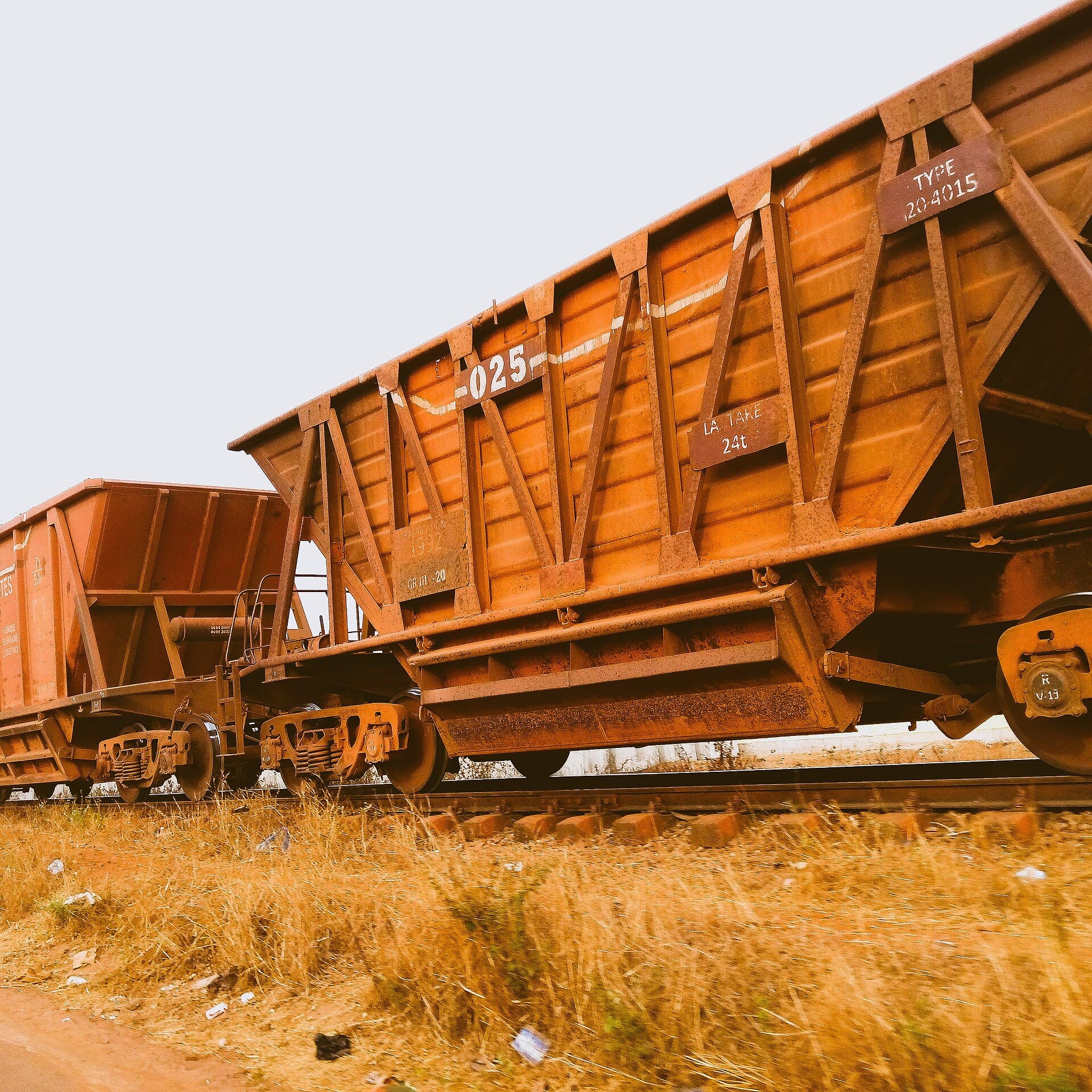
On 17 January 2026, after forty-six days at sea, a first cargo of 200,000 tonnes of iron ore grading 65% arrived at the port of Majishan, in Zhejiang. It came from Simandou, in south-eastern Guinea.
A fast ramp-up
The figures published since trace a clear slope. Six hundred thousand tonnes shipped in the first quarter, with the first sales completed in China in April. Then 2.2 million tonnes in May, against 1.3 million in April.
SimFer, one of the operators of the deposit, is guiding five to ten million tonnes for the year, a ramp-up spread over some thirty months towards sixty million tonnes a year, and up to one hundred and twenty in time. The mine was 74% complete at the end of March.
What this changes for other shippers
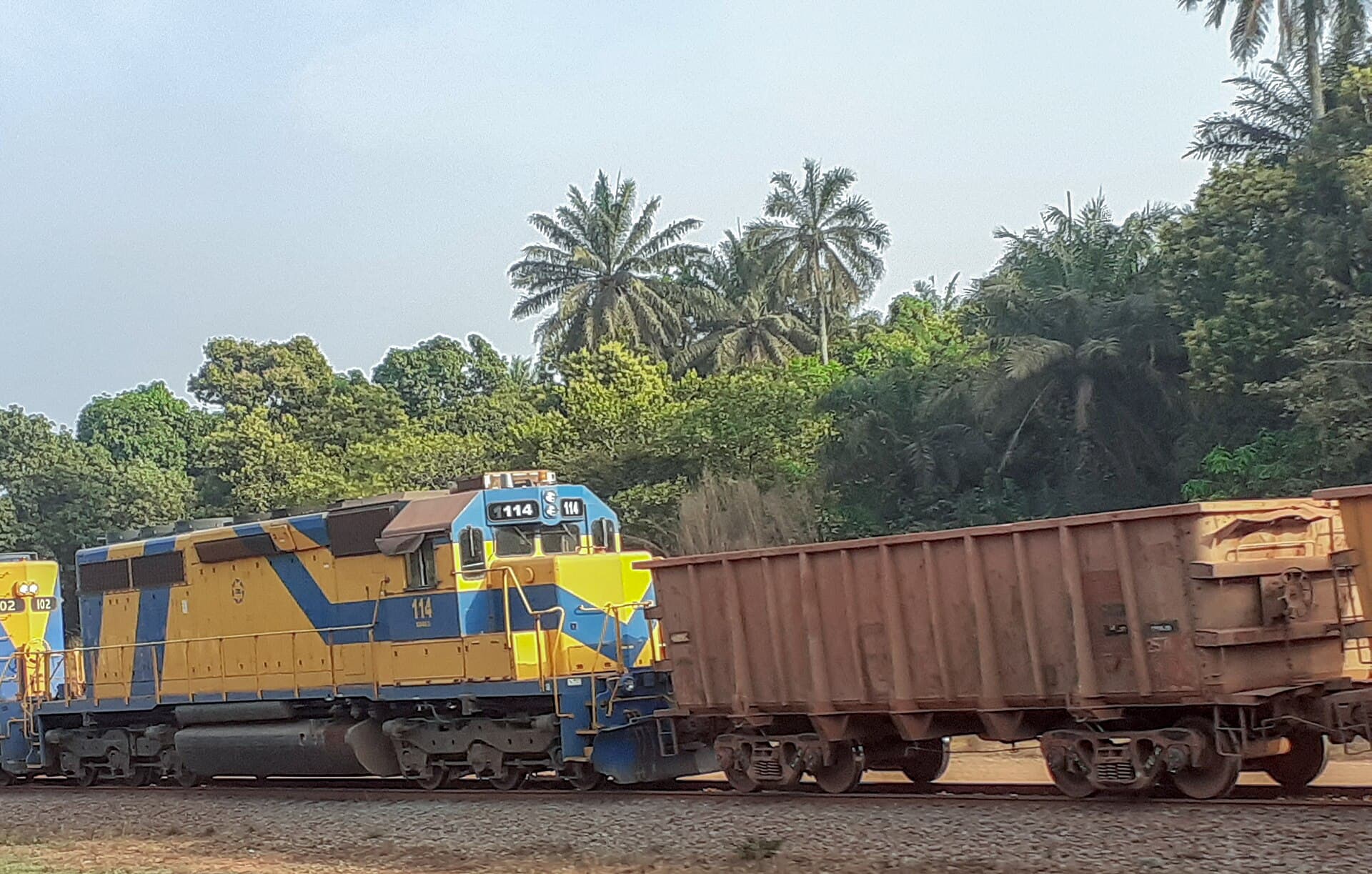
A deposit of this size never arrives alone: it comes with its railway, its port and its loading windows. Guinea is moving from an exporting country that was essentially bauxite-based to a country with two ore corridors.
For a logistics operator, two effects combine. Pressure on shared resources — tugs, pilots, port labour — increases. But infrastructure built for a project of this scale eventually serves everyone alongside it.
The timeline to keep in mind
The target of sixty million tonnes a year is announced for the second half of 2028. Until then, every quarter shifts the balance between available capacity and volumes to move.
That is why we now plan loading campaigns earlier in the season: the room for adjustment narrows as the corridor gains power.
Sources: S&P Global, SimFer, Mining Weekly. Photograph: Sayd224, CC BY-SA 4.0.