News
The Trans-Guinean: 650 kilometres of track, and an open infrastructure
The line built for Simandou is declared multi-service and multi-user. For a Guinean carrier, that is the most concrete news of the year.
Published on
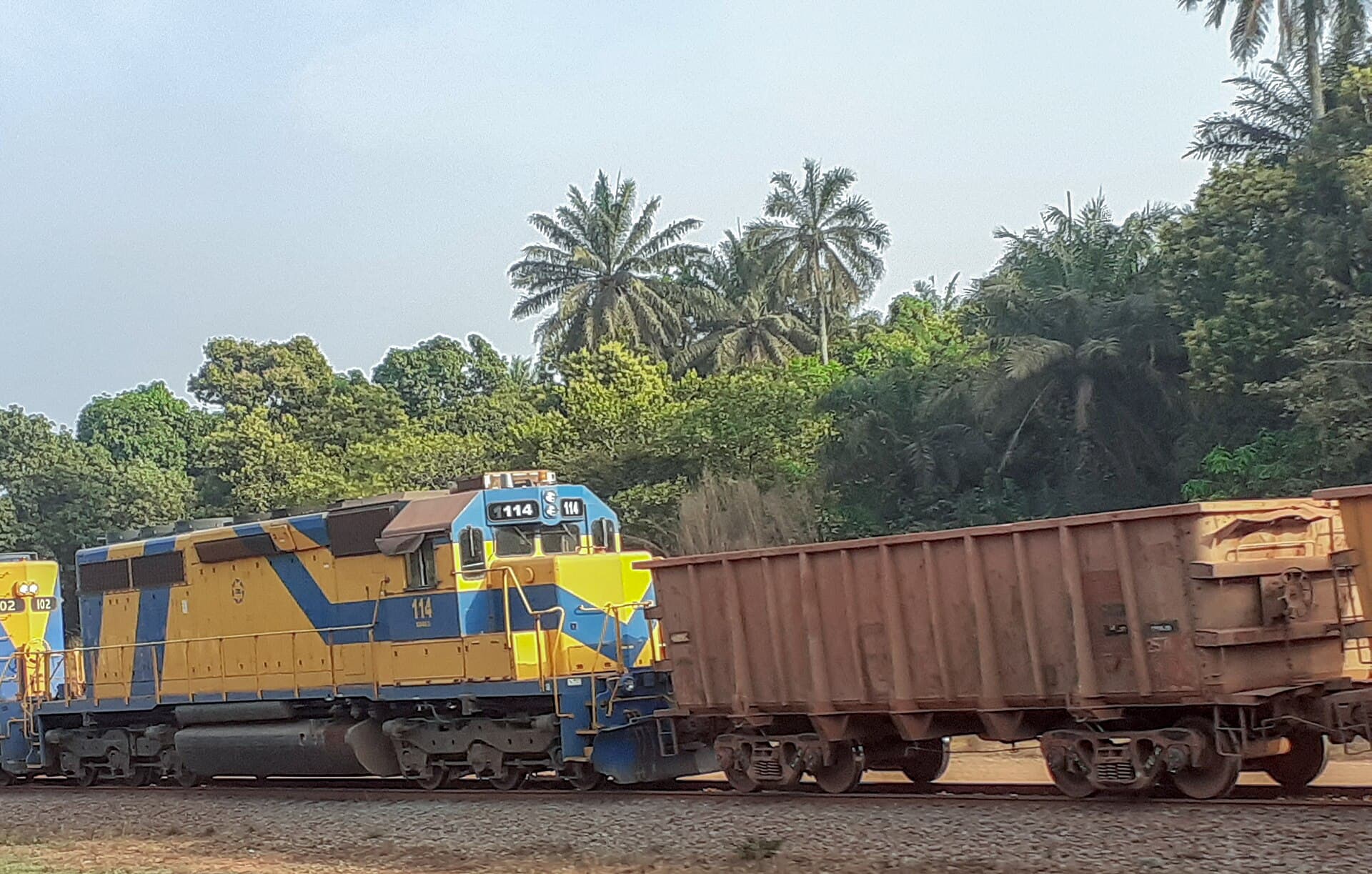
The Trans-Guinean railway links the deposits of the Simandou range, in the prefectures of Beyla and Kérouané, to the port of Morebaya at Forécariah. More than 650 kilometres, twelve stations, 206 bridges totalling 79 kilometres and four tunnels adding up to 27 kilometres.
It is operated by the Compagnie du Transguinéen, a joint company between the Guinean State, the Winning Consortium Simandou and Baowu. The first vessels were received at Morebaya on 2 November 2025; the integrated project was inaugurated on the 11th of the same month.
What deserves a second reading
The Presidency describes the line as a “multi-service and multi-user railway”, intended to carry “ore, passengers and goods”.
Those words are not decoration. A conventional mining railway belongs to its concession holder and carries only its own ore: it crosses a country without serving it. An infrastructure declared multi-user admits, in principle, other shippers.
What this changes for a logistics operator
Guinea exports most of its volumes by road and by river, with the constraints everyone knows: seasonality, draught, a cost per tonne that climbs as soon as the track deteriorates.
An open rail link between forest Guinea and the Atlantic would shift those balances. It will not replace the barge on the Rio Nuñez nor the truck on the final kilometres, but it changes what can be promised over a long haul.
What is still to be learned
Third-party access conditions have not been published: no tariff schedule, no slot-allocation procedure, no timetable for opening to non-mining freight. The iron-ore ramp-up — 40 million tonnes targeted in 2026, 120 in time — will take up capacity ahead of everyone else.
We are following this file closely, because it will determine our own transport offers on the day access is formalised.
Sources: Presidency of the Republic of Guinea, Guinéenews. Photograph: Aboubacarkhoraa, CC BY-SA 4.0.